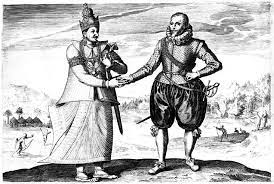
The expulsion of the Portuguese from Sri Lanka was the result of a strategic alliance between the Kingdom of Kandy and the Dutch East India Company (VOC). King Rajasinha II, seeking to rid his kingdom of the Portuguese threat, invited the Dutch to help him.
The Enemy of My Enemy
The Kandyan king believed that the Dutch, being traders, would be content with commercial privileges and would not seek territorial control. A treaty was signed in 1638, where the Dutch agreed to drive out the Portuguese in exchange for a monopoly on the spice trade.
The Siege of Colombo
The war against the Portuguese was long and brutal. The turning point came with the siege of Colombo in 1655-1656. After a seven-month blockade, the starving Portuguese garrison surrendered. The Dutch then proceeded to capture Jaffna in 1658, completing the expulsion of their rivals.
A New Master
However, the Kandyan victory was short-lived. Instead of handing over the captured forts to the king as promised, the Dutch kept them for themselves, claiming that the king had not paid his war debts. As the saying went, the Sinhalese had “exchanged ginger for chili”—trading one colonial master for another.