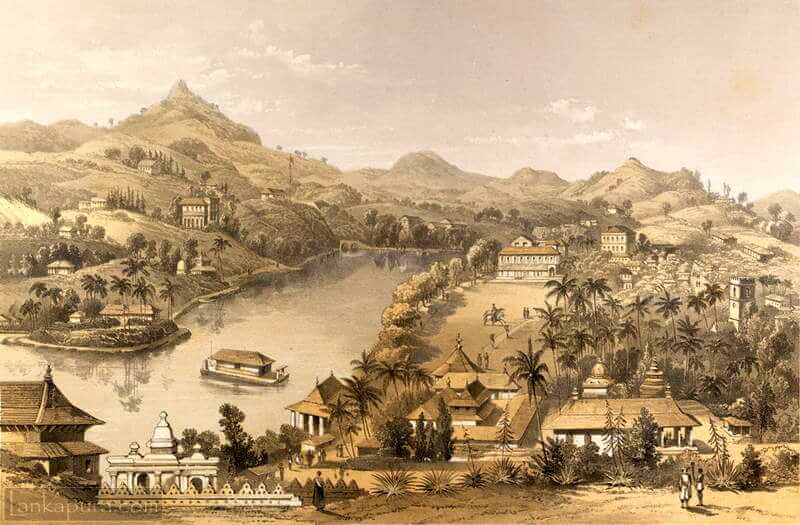
The Kandyan Period (1597–1815 AD) is a defining era in Sri Lankan history. As the coastal lowlands fell under the control of the Portuguese, Dutch, and finally the British, the Kingdom of Kandy in the central highlands remained the last bastion of Sinhalese sovereignty.
The Last Kingdom
Protected by its rugged terrain and malaria-infested jungles, Kandy successfully resisted European conquest for over 300 years. It became a sanctuary for traditional Sinhalese culture and Buddhism, preserving the island’s heritage during a time of rapid change.
A Unique Culture
Isolated from the coast, Kandy developed a distinct culture known as Udarata (Up-country) culture. This period saw the flourishing of Kandyan dance, music, and arts and crafts. The Esala Perahera, a grand procession honoring the Sacred Tooth Relic, became the kingdom’s most spectacular cultural event, a tradition that continues to this day.
The Fall of the Monarchy
The independence of Kandy finally came to an end in 1815, not through military defeat but through internal dissent. The Kandyan chiefs, alienated by the tyrannical rule of the last king, Sri Vikrama Rajasinha, signed the Kandyan Convention, ceding the kingdom to the British Empire. This marked the end of over two millennia of indigenous rule in Sri Lanka.