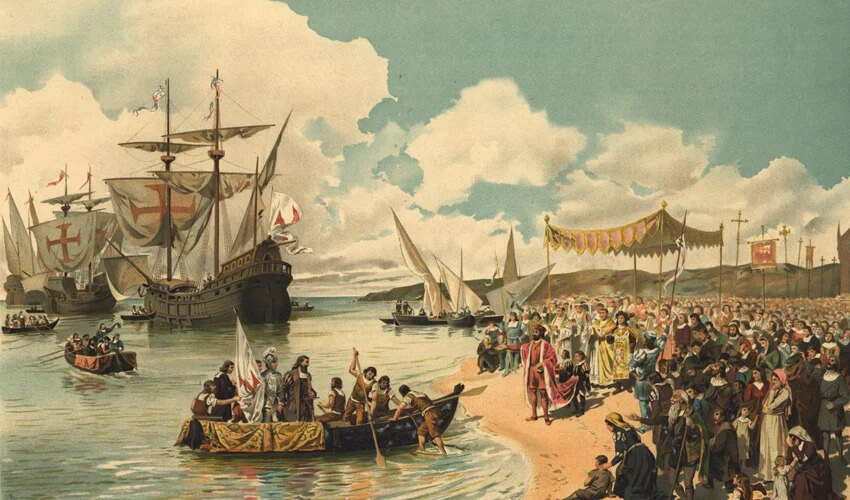
The Portuguese occupation of Sri Lanka’s coastal areas was not a sudden conquest but a gradual process of expansion. Starting with a small trading post in Colombo, they systematically extended their control over the maritime provinces, driven by the desire to monopolize the spice trade and spread Catholicism.
Forts and Factories
To secure their hold on the island, the Portuguese built a network of forts at strategic locations such as Galle, Jaffna, Batticaloa, and Trincomalee. These fortifications served as military bases and trading centers (factories), allowing them to control the export of cinnamon, elephants, and pearls.
Religious Conversion
A central pillar of Portuguese policy was the propagation of the Catholic faith. Missionaries, particularly the Franciscans and Jesuits, were active throughout the occupied territories. They established schools and churches, converting thousands of locals, including members of the royal families. This religious influence is still visible today in the large Catholic community along the western coast.
Changing Society
The Portuguese presence brought about significant social changes. They introduced new administrative systems, legal codes, and cultural practices. Portuguese surnames, dress, and music (such as baila) became integrated into Sri Lankan society, creating a unique blend of East and West.