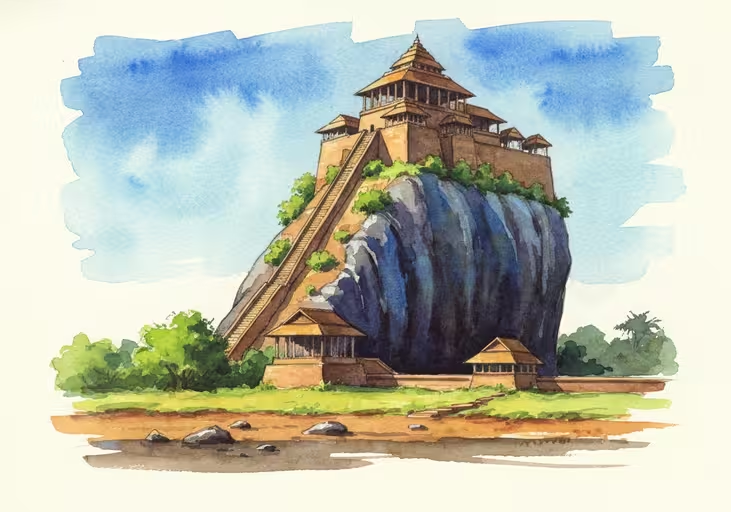
The Yapahuwa Kingdom (1272–1284 AD) was a short-lived but architecturally significant period in Sri Lankan history. Faced with constant threats from South Indian invaders, King Buvanekabahu I moved the capital from Dambadeniya to the impregnable rock fortress of Yapahuwa.
The Rock Fortress
Yapahuwa is often compared to Sigiriya for its dramatic setting. The citadel was built around a 90-meter high rock, featuring a complex system of moats, ramparts, and stairways. The most striking feature is the ornamental stone staircase, adorned with intricate carvings of lions, dancers, and musicians, which led to the royal palace and the Temple of the Tooth.
The Sacred Tooth Relic
During this period, Yapahuwa was the custodian of the Sacred Tooth Relic, the ultimate symbol of Sinhalese sovereignty. The relic was enshrined in a temple at the top of the stairway, making the fortress not just a military stronghold but also the spiritual heart of the nation.
A Short-Lived Glory
The glory of Yapahuwa was fleeting. Following the death of Buvanekabahu I, a Pandyan army invaded the island and captured the fortress. They seized the Tooth Relic and carried it off to South India, plunging the kingdom into a crisis that would only be resolved by the diplomatic efforts of the next king, Parakramabahu III.