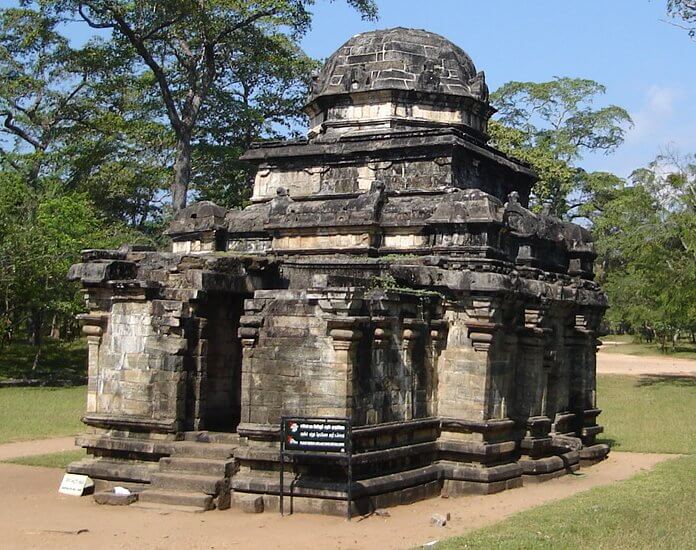
For over a millennium, Anuradhapura stood as the invincible heart of Sri Lanka. But in 1017 AD, the unthinkable happened. The Chola Empire of South India, under the command of Rajendra Chola I, launched a devastating invasion that would bring the great city to its knees.
The Fall of a Giant
The invasion was swift and brutal. The Chola army, capitalizing on internal strife within the Sinhalese kingdom, swept through the dry zone. They captured King Mahinda V, the last ruler of the Anuradhapura Kingdom, and deported him to India, where he died in captivity.
The Plunder of Paradise
The Mahavamsa describes the sacking of Anuradhapura in heart-wrenching detail. The invaders “broke open the relic chambers… and carried away the eye-jewels of the stone images.” Palaces were burned, monasteries looted, and the intricate irrigation systems that sustained the city were damaged. The destruction was so complete that the city was abandoned to the jungle.
A New Capital
With Anuradhapura in ruins, the Cholas moved the administrative capital to Polonnaruwa, further south. This marked the end of the Anuradhapura Period and the beginning of a new, turbulent chapter in Sri Lankan history, where the island would struggle under foreign rule for over half a century.